

Planning and flexibility are powerful tools.
But without visibility into system performance, even the best plans can fall short.
Building automation and remote monitoring provide the data that allows facilities to make informed decisions about maintenance, rentals, and equipment replacement.

Why Visibility Matters
Sure, facility teams can rely on assumptions about how systems are performing.
But here’s what ultimately what happens over time:
- Equipment efficiency declines
- Runtime increases
- Systems operate closer to maximum capacity
- Backup systems may never be tested under real conditions
Without performance data, these issues may go unnoticed until peak demand exposes them. Like, 105-degree weather for a month straight in the summer.
How Building Automation Improves Decision Making
Modern building automation systems provide insight into:
- Runtime trends
- Load changes across seasons
- System performance over time
- Cooling system behavior during peak demand
Building automation systems do more than control temperature. They provide the data needed to make informed operational decisions.
According to the U.S. Department of Energy, facilities that implement building automation and control systems can reduce energy consumption by 5% to 30% while improving system performance and visibility. Research from Lawrence Berkeley National Laboratory also shows that advanced building analytics can automatically detect up to 80% of HVAC operational faults.
This level of insight allows facility teams to identify inefficiencies early and plan maintenance, rentals, or system upgrades before small issues turn into major failures.
Visibility-Driven Strategy vs Traditional Reactive Management
| Operational Factor | Visibility-Driven Strategy | Traditional Reactive Approach |
|---|---|---|
| System performance insight | Runtime, load, and trends are monitored in real time | Performance is assumed until problems appear |
| Issue detection | Early warning signs are identified before failure | Problems are discovered only after disruption occurs |
| Technician response | Teams can prepare before arriving onsite | Troubleshooting begins only after arrival |
| Rental equipment reliability | Custom remote monitoring helps track rental performance | Onsite teams must report issues after they happen |
| Capital planning | Decisions are based on actual system data | Repairs and replacements are driven by urgency |
| Summer cooling risk | Elevated risk can be identified before peak demand | System vulnerabilities surface during extreme heat |
How Remote Monitoring Improves Rental Reliability
Temporary equipment is often viewed as a short-term solution. But reliability is just as critical for rental systems as it is for permanently installed equipment.
This is where remote monitoring changes the equation.
Many rental providers deliver equipment and rely on onsite teams to report issues if something goes wrong. At Oklahoma Chiller, our rental equipment can be equipped with custom remote monitoring controls that allow our team to observe system performance in real time.
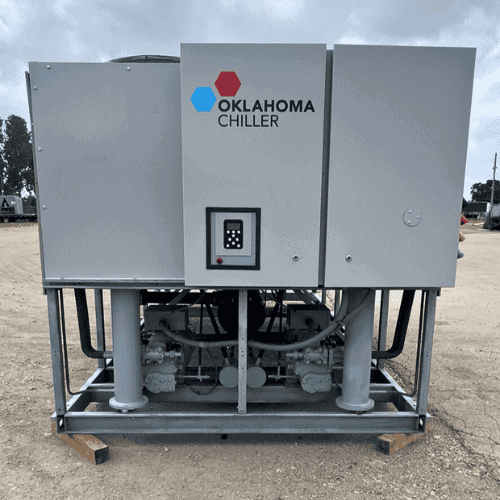
These monitoring systems track key operating data such as:
- Equipment runtime and load
- Temperature performance
- System alarms and fault conditions
- Operating trends during peak demand
In many cases, this remote visibility allows our team to arrive onsite already knowing what tools, parts, or adjustments may be needed, reducing troubleshooting time and restoring performance faster.

Instead of waiting for a system failure to trigger a service call, our team can often detect performance changes and prepare for service before the situation impacts operations.
For facilities relying on temporary equipment during peak cooling season, this added layer of monitoring helps make sure the rental system performs as reliably as possible.
This visibility allows our technicians and engineers to identify potential issues earlier and respond faster when conditions change.

Key Takeaway for Facility Leaders
Across this series we explored three connected ideas. Rent versus buy decisions should not happen during emergencies. Planned maintenance creates options before failures occur. Visibility through automation and monitoring allows facilities to make confident decisions based on real performance data.
Together these elements create a more resilient facility strategy.
When evaluating cooling system reliability and rent vs buy decisions, experienced facility teams typically focus on four key factors.
1. System Condition
Understanding equipment age, maintenance history, and current performance helps identify whether systems can continue operating reliably through peak cooling demand.
2. Operational Risk
Facilities must consider what happens if cooling systems fail during high demand. Production downtime, tenant disruption, and operational interruptions can quickly exceed equipment costs.
3. Flexibility During Upgrades or Repairs
Temporary rental equipment can provide flexibility when systems require major repairs, retrofits, or replacements.
4. Performance Visibility
Building automation and remote monitoring provide the data needed to detect early warning signs and make informed maintenance and capital planning decisions.
When these factors are evaluated proactively, facilities gain the ability to plan ahead instead of reacting to unexpected failures.
Continue the Rent Vs. Buy Series
If you’re evaluating HVAC reliability and equipment strategy, these resources may help:
Get Ahead of Summer Cooling Risk
If your cooling system has not been evaluated recently, now is the ideal time.
A Spring Cooling Inspection helps identify potential issues before peak temperatures arrive and allows facilities to plan maintenance, evaluate rental options, or prepare for upgrades.
Schedule Your Inspection Today
Tulsa: (918) 585-9766
Oklahoma City: (405) 672-1100
Or request service online:

FAQ's About HVAC Monitoring and Cooling System Reliability
How does building automation help prevent HVAC failures?
Building automation systems monitor runtime, load levels, and system performance trends in real time. This visibility helps facility teams detect performance changes early and schedule maintenance or temporary support before failures occur, reducing the risk of unexpected downtime.
What is remote monitoring for HVAC rental equipment?
Remote monitoring allows technicians to track the performance of rental equipment through connected sensors and controls. This technology provides real-time visibility into equipment operation, alarms, and performance trends, allowing service teams to respond quickly if conditions change.
Can remote monitoring improve HVAC response times?
Yes. When HVAC systems are monitored remotely, technicians can often identify the cause of issues before arriving on-site. This allows service teams to arrive prepared with the right tools or parts, reducing troubleshooting time and restoring system performance faster.
How do rentals support cooling system reliability during summer?
Temporary rental equipment can provide backup capacity during peak cooling demand. Facilities often use rental chillers or cooling equipment to support aging systems, maintain operations during repairs, or bridge the gap while new equipment is being installed.
Why should facilities evaluate cooling systems before summer?
Peak summer temperatures place the highest demand on HVAC systems. Evaluating system condition through inspections, maintenance reviews, and performance monitoring allows facilities to identify potential issues early and plan solutions before cooling demand reaches its highest levels.
This article was prepared by the engineering, service, and rental experts at Oklahoma Chiller, supporting commercial and industrial facilities across Oklahoma and surrounding states.