


Freezing temperatures do not create facility problems, they reveal where risk and reliability truly live.
The first round of below-freezing temperatures is hitting Oklahoma and surrounding states right now. While cold weather is expected every winter, it often arrives faster and with more impact than facilities anticipate.
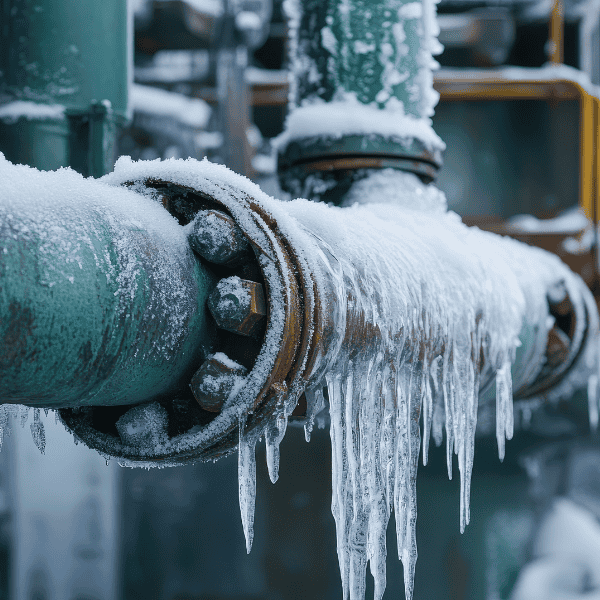
When temperatures drop quickly, even well-run buildings can experience frozen piping, heating system strain, control issues, and equipment shutdowns. The difference between a smooth winter and a costly disruption often comes down to what happens before the cold fully sets in.
Here is what facility teams should focus on right now and why it matters.
Why the First Long Freeze Matters So Much
The first sustained freeze of the season acts as a stress test. Systems that have been operating quietly all year are suddenly pushed harder, and small issues that went unnoticed in mild weather can surface quickly.
Common cold-weather problems include:
- Frozen or burst pipes
- Heating equipment failing to start or keep up
- Condensate lines freezing
- Controls or safeties not responding as expected
- Emergency calls during unsafe or off-hours conditions
Taking proactive steps early can significantly reduce these risks.
WHAT FACILITIES SHOULD DO RIGHT NOW
1. Protect Piping and Plumbing
2. Inspect Heating and Mechanical Systems
3. Secure Outdoor and Rooftop Equipment
4. Verify Controls and Monitoring
5. Align Your Team
When to Bring in Support
Cold weather often exposes issues that are not obvious during routine operation. If your team is stretched thin, unsure where to prioritize, or concerned about specific systems, having experienced technicians assess conditions before temperatures drop further can prevent emergencies later.
Proactive inspections during a cold snap can:
-
Identify freeze risks before damage occurs
-
Catch marginal components before they fail
-
Verify control logic and safeties under real conditions
-
Reduce emergency calls during the most dangerous weather

COST REALITY FOR MANUFACTURING & INDUSTRIAL FACILITIES
COST REALITY FOR DATA CENTERS & MISSION-CRITICAL IT FACILITIES
COST REALITY FOR HOSPITALS & HEALTHCARE FACILITIES
Current Weather Outlook (National Weather Service) as of January 20, 2026.
Sustained freezing temperatures, not just single cold nights, are when facility risk increases most.
According to forecasts from the National Weather Service, Oklahoma and surrounding states are experiencing the first sustained period of below-freezing temperatures this season, with additional cold conditions and potential winter precipitation expected in the days ahead.
Forecasts across the region indicate:
-
Overnight lows falling well below freezing
-
Daytime temperatures struggling to recover during peak cold periods
-
Increased risk of snow, ice, or mixed winter precipitation in some areas
-
Prolonged cold conditions that can stress building systems beyond a single overnight event
The National Weather Service has emphasized that extended freezing temperatures, even without significant snowfall, increase the risk of frozen pipes, heating system strain, and equipment performance issues, particularly in facilities with exposed piping, older infrastructure, or limited system visibility.
For facilities, this type of forecast signals the importance of acting early. Cold-related issues often surface not during the coldest moment, but after systems have been under stress for several consecutive days.
Monitoring National Weather Service updates and preparing systems ahead of sustained freezes helps reduce the likelihood of emergency response during the most challenging conditions.
Turn Winter Preparation Into Long-Term Facility Performance
Cold weather is often when hidden issues surface. This Winter Facility Readiness Checklist helps facility teams address immediate risks while building a stronger foundation for reliability, visibility, and long-term performance.
A practical tool that supports proactive maintenance and Portfolio Performance planning.

Cold Weather Readiness FAQs for Mission-Critical Facilities
What should a mission-critical facility do before freezing temperatures?
Prioritize freeze protection for piping and condensate lines, verify heating capacity, confirm BAS alarms and freeze stats, and assign daily checks. Address vulnerable areas before temperatures stay below freezing.
What HVAC issues are most common during the first freeze?
Common issues include frozen condensate drains, failed starts on heaters or boilers, restricted airflow from dirty filters, sensor or actuator problems, and controls that do not trigger safeties or alarms as expected.
How can building automation help prevent freeze-related downtime?
Building automation can alert teams early through freeze stats, temperature alarms, and remote monitoring. It also helps maintain stable setpoints, detect anomalies, and support faster response when conditions change.
What areas are highest risk for frozen pipes in commercial buildings?
Highest risk areas include exterior walls, loading docks, mechanical rooms with outside air exposure, stairwells, above ceilings near exterior zones, unused restrooms, and any piping in unconditioned spaces.
When should a facility call a commercial HVAC team during a freeze?
Call for support if you have repeated alarms, loss of heat, suspected frozen piping, BAS faults you cannot resolve, or if you need verification of freeze protection and system readiness before temperatures drop further.
How does cold-weather preparation connect to a planned maintenance program?
Freezing weather reveals hidden risk. A planned maintenance program uses inspections and performance checks to identify vulnerabilities early, standardize seasonal preparation, reduce emergency calls, and improve reliability over time.
Explore Proactive Facility Planning
For facilities ready to move from reaction to preparedness, the first step isn’t necessarily new equipment; it’s visibility and planning.